Sign up
 Login
Login
Is a Nursing Career Right For You?
Take The Free QuizChronic Care Management Solutions: Guide for Clinics and Practices
Chronic Care Management Solutions: Guide for Clinics and Practices
Managing patients with long-term health conditions can be challenging for clinics and practices. Chronic care management solutions provide structured strategies and tools that help healthcare providers improve patient outcomes, streamline workflow, and reduce unnecessary hospital visits. For students exploring healthcare careers, understanding these solutions can also support your learning, especially if you’re enrolled in an A&P class, as they allow you to see how anatomy and physiology knowledge is applied in real patient care.
Key Takeaways
- Chronic care management solutions enhance patient monitoring, communication, and coordination.
- They allow clinics to manage multiple patients efficiently while reducing errors and duplication.
- These solutions increase patient engagement and adherence to treatment plans.
- Staff and student nurses can gain practical learning experiences through integrated platforms.
- Implementing solutions can improve clinic efficiency, reduce costs, and promote better healthcare outcomes.
Chronic Care Management Solutions
Chronic care management solutions are systems, software, and processes designed to support patients with long-term illnesses like diabetes, hypertension, COPD, or heart disease. The goal is to provide proactive care rather than just reacting to emergencies. These solutions combine digital tools, care coordination strategies, and patient engagement programs to create a holistic approach to chronic disease management.
1. Improved Patient Monitoring
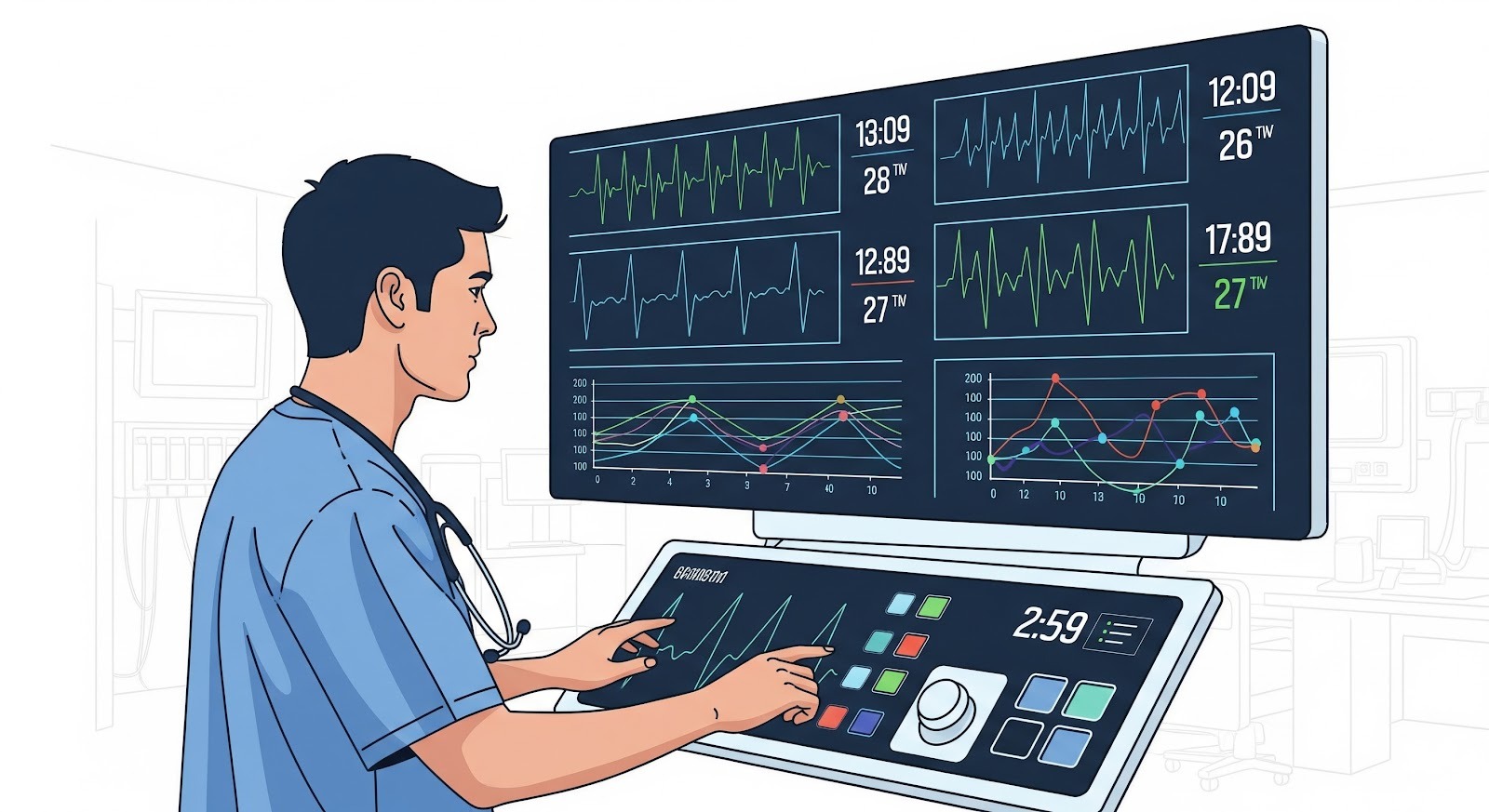
Effective chronic care management relies on consistent monitoring. Digital tools can track vital signs, medication adherence, lab results, and lifestyle data. Clinics can set alerts when a patient’s metrics deviate from normal ranges, allowing early intervention before problems escalate.
Example: A diabetic patient’s blood sugar levels are tracked remotely, and any unusual readings automatically notify the care team. This prevents hospitalizations and keeps the patient’s condition stable.
2. Coordinated Care Across Providers
Patients with chronic conditions often see multiple specialists. Chronic care management solutions allow all providers—primary care physicians, specialists, nurses—to access the same patient information. This ensures everyone is on the same page, avoiding duplicated tests and conflicting treatments.
Mini Case: A patient with heart failure sees a cardiologist, nutritionist, and primary care provider. With a CCM solution, all providers can see medications, lab results, and care notes, ensuring the patient receives consistent guidance.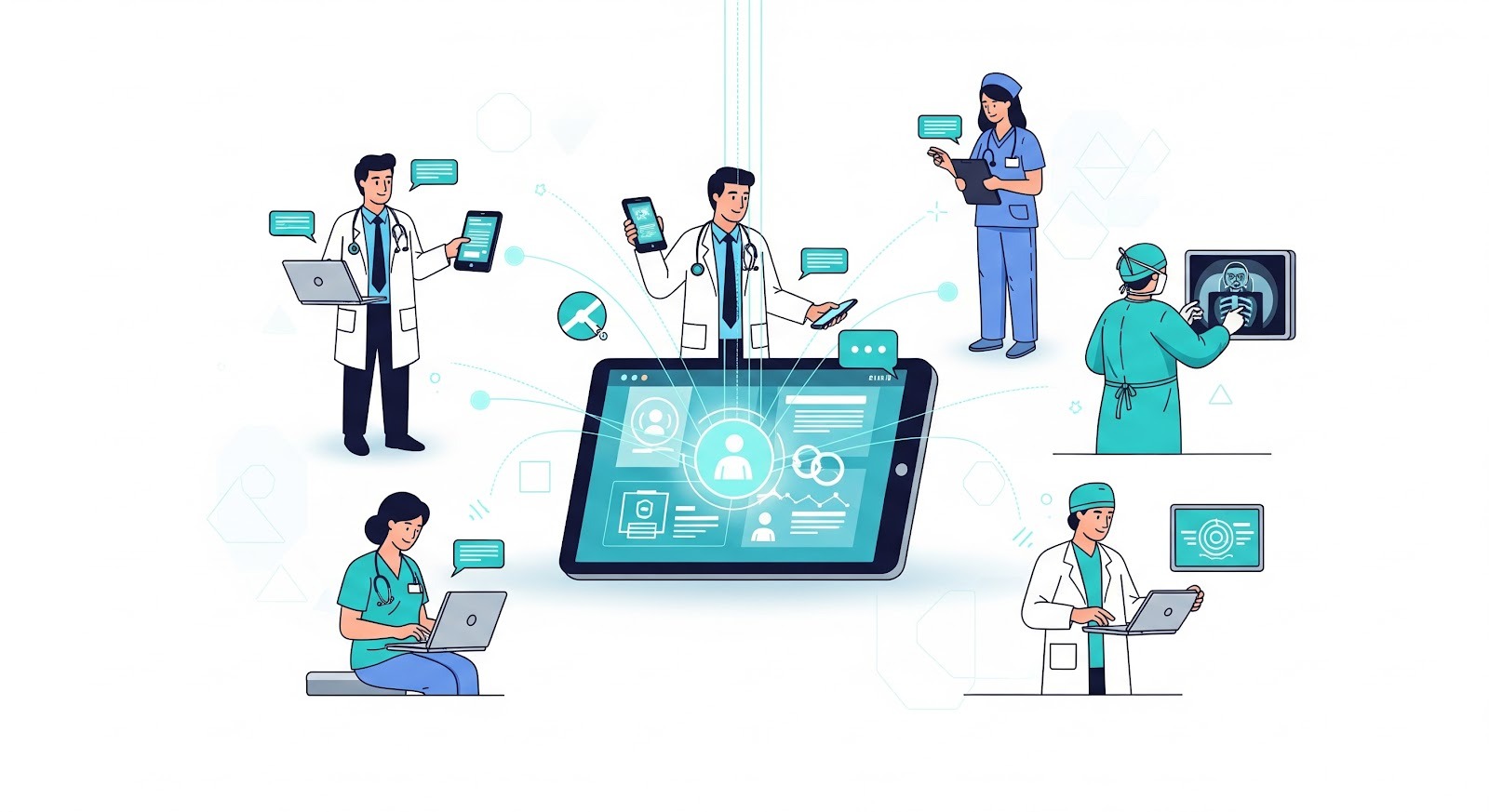
3. Patient Education and Engagement
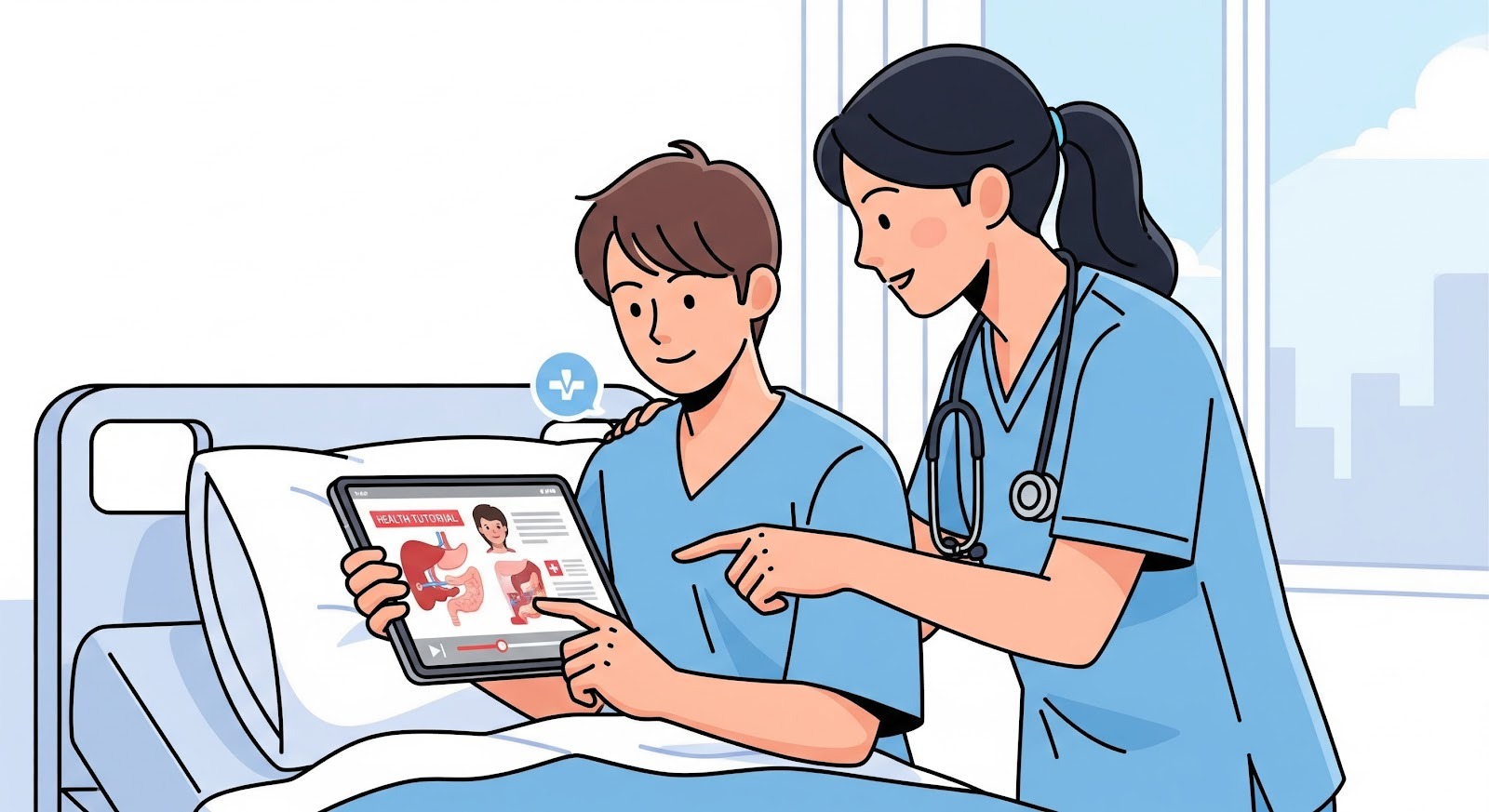
Patient involvement is critical in chronic care. Solutions often include tools for education, medication reminders, lifestyle guidance, and follow-ups. Educated patients are more likely to follow their care plans, attend appointments, and adopt healthier habits.
Tip: Clinics can provide video tutorials or interactive apps to help patients understand their conditions. For instance, COPD patients can learn exercises to improve lung function or dietary changes to manage symptoms.
4. Integration with Training and Learning
For clinics connected to training programs or student nurses, chronic care management solutions offer real-world learning opportunities. Students can observe how anatomy and physiology concepts are applied in patient care. For example, an A&P prep course Illinois student can correlate classroom knowledge with blood pressure monitoring or respiratory assessments in patients with chronic conditions.
5. Cost Savings and Efficiency
Though implementing a chronic care management system may involve initial costs, it can save time and money long-term. Automated follow-ups, alerts for critical health changes, and digital tracking reduce the administrative burden. Staff can focus on patients who need urgent care rather than routine checks, improving workflow efficiency.
Example: A clinic that uses CCM solutions for diabetes management reduced unnecessary hospital visits by 30% over a year, saving both costs and staff time.
6. Data-Driven Insights
CCM solutions collect valuable data over time. Clinics can use analytics to identify trends, measure treatment effectiveness, and refine care plans. These insights help providers make informed decisions and improve population health management.
Example: By reviewing aggregated patient data, a clinic noticed many patients missed routine lab tests. They implemented automated reminders, leading to better compliance and early detection of potential complications.
Conclusion
In today’s healthcare environment, chronic care management solutions are vital for improving patient outcomes, reducing hospitalizations, and enhancing practice efficiency. Clinics benefit by streamlining workflows, coordinating care, and engaging patients actively in their health journey. Students and future nurses also gain practical insights, linking theoretical knowledge with real-world applications. For those looking to advance their healthcare education and careers, enrolling in the best nursing colleges in Illinois can provide deeper knowledge of chronic care practices and hands-on experience.
Want to Make a Career in Nursing? Get More Information About Our Courses!
FAQs
- What patients benefit most from chronic care management solutions?
Patients with chronic illnesses such as diabetes, heart disease, COPD, or hypertension benefit the most because consistent monitoring and coordinated care prevent complications. - Can small clinics implement chronic care management solutions?
Yes. Many solutions are scalable and designed for small practices. Even simple digital tools for tracking patient metrics and sending reminders can improve outcomes. - How do these solutions improve patient engagement?
By providing reminders, educational resources, and interactive tools, patients feel more involved in their care. This encourages adherence to treatment plans and lifestyle changes.
Most Popular Blogs Posts

LPN School for Working Adults: What…
October 15, 2026 Read More
How to Prepare for Nursing School…
October 14, 2026 Read More
How Practical Nursing Students Build Clinical…
October 14, 2026 Read More
What Is Capillary Refill? A Guide…
October 13, 2026 Read More